Tag Archives: 1950s

Brigitte Bardot Dies At 91 – First American News Feature Was 1952

Brigitte Bardot Dead

Was Noticed By A Hollywood News Writer In 1952 Before Worldwide Fame

Brigitte Bardot in Madrid, Spain, 1957 photographer: Peter Basch

Brigitte Bardot, who quit film acting at age 39 in 1973 to devote herself to animal rights is dead.

The Fondation Brigitte Bardot who announced her death did not reveal a cause, place or date that she died.

Her obituary appears worldwide, so we will not cover the details of her long and sometimes controversial life or film career.

What interested us is: when did Bardot first come to notice in the United States? Continue reading

What Did The Rear Entrance To Ebbets Field Look Like?

The Less Than Iconic Rear Facade Of Ebbets Field

The Dodgers left Brooklyn after the 1957 season, breaking many Dodgers fans hearts. The Dodgers home park Ebbets Field was razed in 1960. A housing project is now on its site.

But the memories of what the ballpark looked like is etched in anyone’s mind who ever visited Ebbets Field. If you do remember visiting you are at least 70 years-old. The reality is, few people are still around who actually saw the place.

It’s really photographs of the ballpark, especially the front entrance, that baseball fans are familiar with.

The main entrance was at the corner of Sullivan Place and McKeever Place. McKeever Place was originally Cedar Street, but renamed in 1932 after one of the contractors who built Ebbets Field.

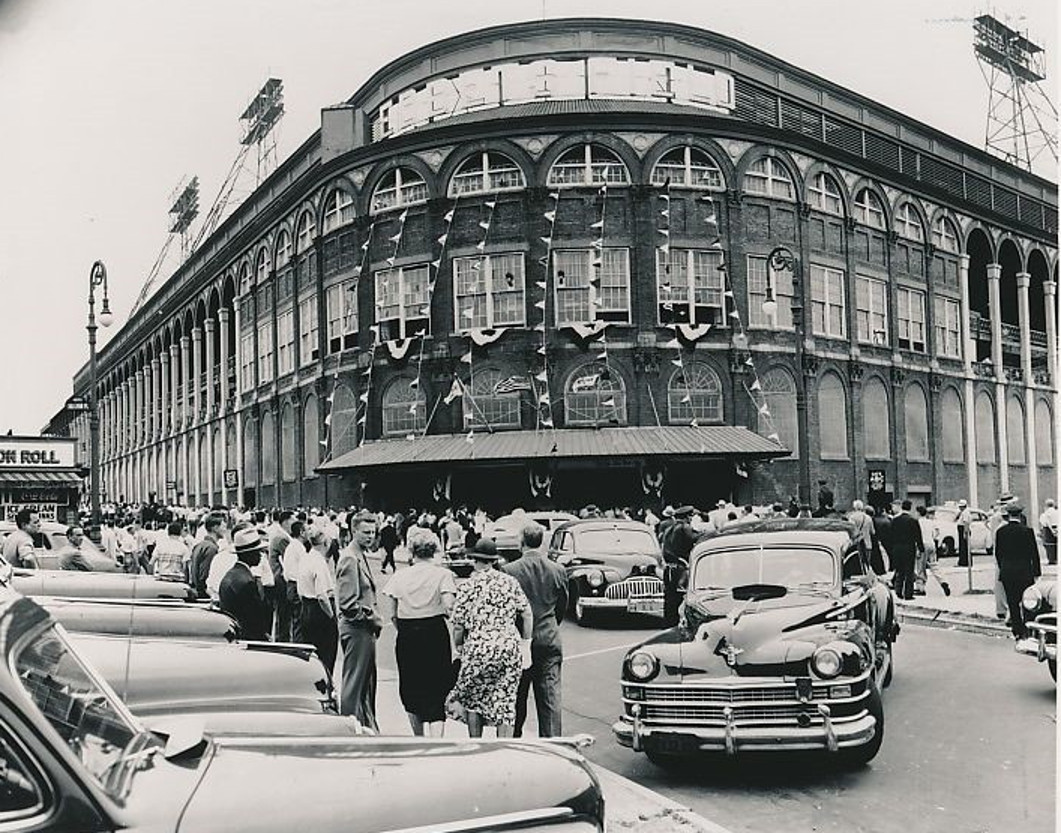
This is what the front  looked like.
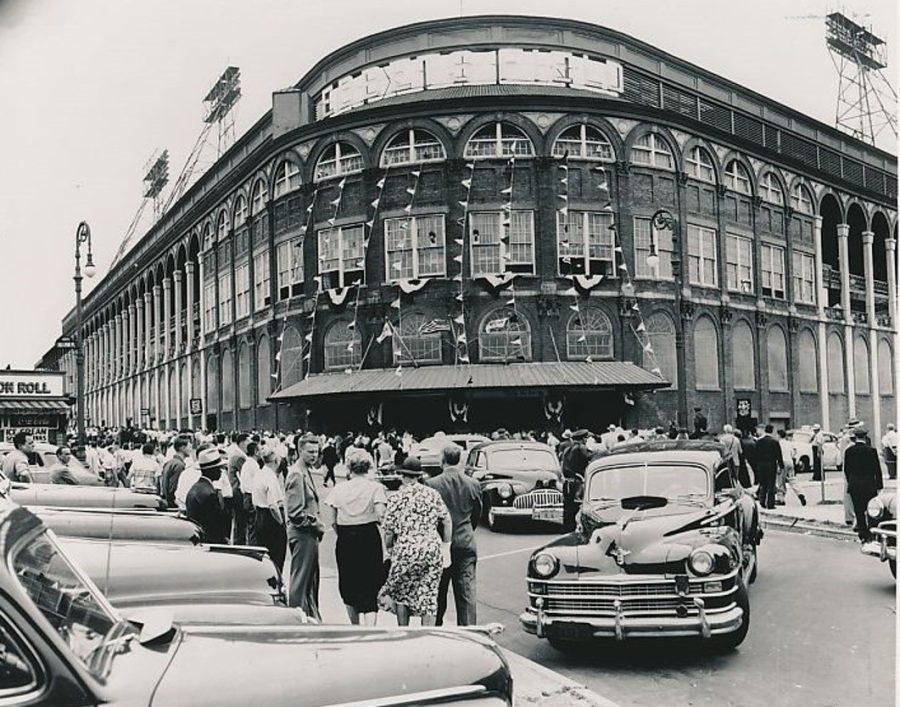
Ebbets Field 1940s

The exterior of the front of the New York Mets home Continue reading

William Randolph Hearst And Llama Drama

William Randolph Hearst’s Concern About His Llama’s Sex Life

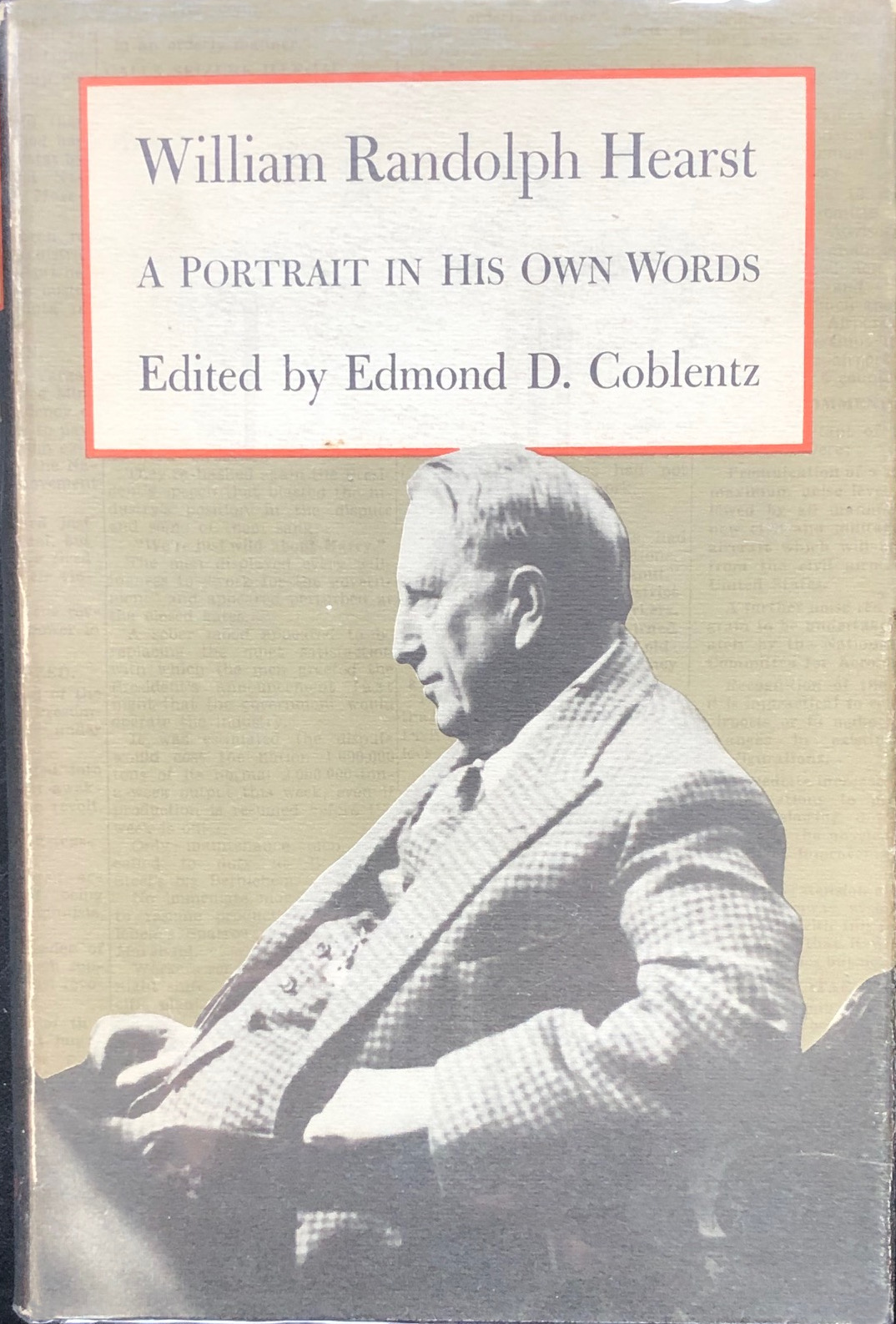
Even if you know little about publishing magnate William Randolph Hearst you may have inferred a few things about him from Orson Welles film Citizen Kane (1941), “loosely” based upon Hearst’s life,

Hearst, an inveterate collector, loved all animals. He could not stand to see any animal suffer. Mice and even rats were to be caught and released. Continue reading

Bob Turley Pushes The 1957 World Series To Game 7

Bob Turley Comes Through In The Clutch

Pitching Prowess
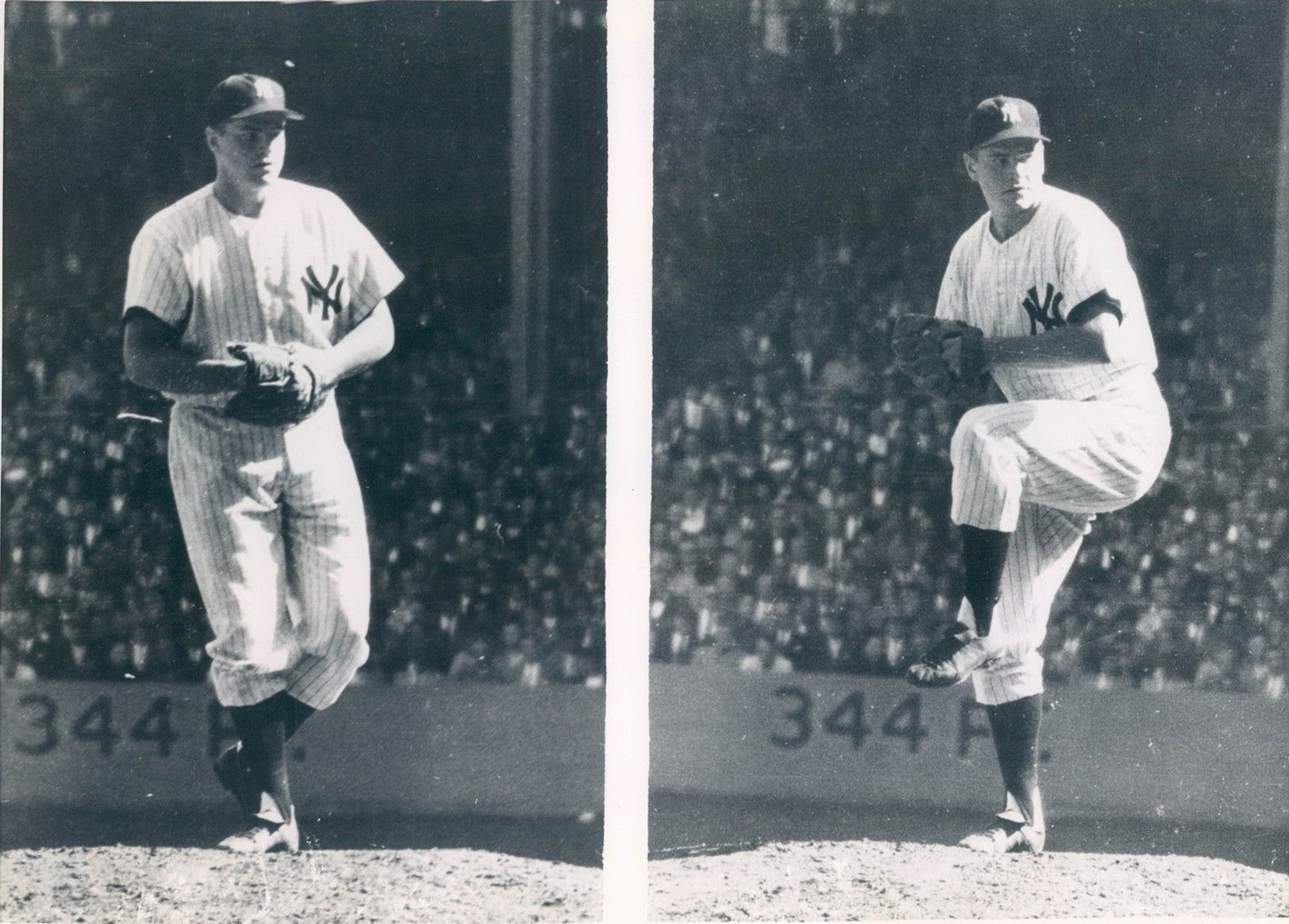
New York: Bullet Bob Turley limited the Milwaukee Braves to four hits in the sixth game of the World Series here, October 9, winning the tilt for the Yanks, 3-2, and thereby knotting the series at three games all. In this combo, Turley, without benefit of a windup, gets set to fire a pitch plateward. credit: United Press 10-9-1957

Turley pitched magnificently although he did give up solo homers to Frank Torre in the fifth and Henry Aaron in the seventh. But besides Continue reading

Brooklyn Dodgers Begin 1955 With A Long Winning Streak

Dodgers Shortstop Pee Wee Reese Counts Down The Wins To A Perfect Season

Brooklyn, NY – The undefeated Brooklyn Dodgers tonight equaled the Major League record of nine consecutive games won at the start of a season, by defeating Philadelphia 3 to 2. The only remaining member of the 1940 Dodger team which also won its first nine games of the season, captain Pee Wee Reese, prepares to draw a line through number 146 after tonight’s win. Looking on is Walt Alston. The mark was first set by the Giants in 1918 and the St. Louis Browns also won their first nine in 1944. photo: International News Photo – Herb Scharfman 4/20/1955

The Brooklyn Dodgers would go on to set a new record winning their tenth consecutive game the following day, beating Philadelphia 14-4. The Dodgers finally lost a game on April 22 to The New York Giants. Continue reading

Baseball’s First Electronic Ball – Strike Machine – 1950

Branch Rickey Inspects An Automatic Umpire, Electronic Ball Strike Indicator

Newest Dodger
Vero Beach, FL –  (L-R) Branch Rickey, Dodger President, Dick Shea, electronics engineer from General Electric, umpire Bill Stewart and Fresco Thompson scout for the Dodger system. They are looking over Rickey’s newest pet – a mechanical umpire that calls balls and strikes and gives speed of pitch over the plate.It is worked by means of a magic eye. It won’t replace the human umpire because it can’t operate at night. photo: Gunther-Keystone 3/15/1950

The machine pictured above was called the “cross-eyed electronic umpire.” It was claimed the machine “could call balls and strikes closer than any normally endowed arbiter.”

Always the innovator, Branch Rickey said, “I expect it to be of definite value in determining the abilities of young pitchers since the machine also will establish the velocity of a fast ball as well as to show beyond question whether the ball is in or outside the strike zone.”

But Rickey also emphasized that he machine was “not intended now or ever to replace manual umpiring in actual games.” Continue reading

Classic Hollywood #172 – Humphrey Bogart Lauren Bacall & Son Stevie

Lauren Bacall & Son Stevie Visit Humphrey Bogart On The Set – 1951

Bogy, Baby & Boy
Humphrey Bogart’s wife, Lauren Bacall, known to the public as “Baby”, and their son Stevie, pay Bogart a visit on the set at 20th Century-Fox where he is starring in the newspaper story, “Deadline U.S.A.” Little Stevie takes an active interest in movie production, since he plans to be a movie star like his daddy when he grows up. credit: 20th Century-Fox December 27, 1951

When Humphrey Bogart made Deadline U.S.A. for 20th Century-Fox he was on loan from Warner Bros. to Fox. Maybe that is why the Fox publicity department did not care if they spelled Bogart’s nickname, “Bogey” correctly or not. In September of 1953 Bogart finally ended his long association with Warner Bros. having previously formed his own production company, Santana Productions to make independent productions including six films with Columbia Pictures between 1949 – 1951.

Steohen Humphrey Bogart (born January 6, 1949) did not follow in his father’s footsteps. Continue reading

Classic Hollywood #170 – Marilyn Monroe Prepares For Monkey Business

Marilyn Monroe “Neighborhood Champion” Laces Up Roller Skates For Monkey Business

Hollywood press hoopla at work here.

This is the improbable news slug originally accompanying this publicity photograph: Continue reading

When Coffee Jumped From 10 Cents To 15 Cents A Cup

Americans Perplexed By A 15 Cent Cup Of Coffee – 1954

Go into the supermarket and examine just about any product. You will notice shrinking packaging and products. You are getting less and paying more.

Tropicana orange juice just shrunk again – from 64 ounces to 59 ounces to 52 ounces and now 46 ounces. Coffee is sold in a pound can, but contains about 11.3 ounces of product.

In 1954 the price of coffee was rising, and the answer was not shrink the cup, but raise the price. A 50% price hike to be exact, from ten cents to fifteen cents.

Even after World War II many places still sold a nickel cup of coffee.

The original news slug reads: Continue reading